The allure of risk and reward
The psychology behind gambling is deeply rooted in our innate attraction to risk and reward. Casinos are designed to enhance this attraction, giving players the thrill of potentially winning big. As many enthusiasts discover, an online casino accepting neosurf can provide an accessible way to experience this excitement from the comfort of home, while the excitement that accompanies placing a bet or pulling a slot machine lever releases dopamine in the brain, a neurotransmitter associated with pleasure and reward. This chemical reaction creates a sense of euphoria that draws individuals back, often making them forget the risks involved in gambling. The desire to chase that initial high can lead to repeated visits, as players seek to replicate the exhilarating feelings experienced during previous sessions.
Furthermore, the anticipation of a win—whether it is a jackpot or a small payout—builds excitement, leading to a psychological state often referred to as ‘near-miss’ reinforcement. This phenomenon occurs when players experience a loss that feels like a win, such as hitting two out of three symbols on a slot machine. This illusion of winning keeps players engaged, encouraging them to keep playing in hopes of achieving that coveted jackpot. The brain interprets these near-misses as almost victories, reinforcing the behavior and creating a cycle where the individual feels compelled to play again, believing that success is just around the corner.
Casinos exploit the concept of variable rewards, where the timing and size of wins differ from play to play. This unpredictability enhances the thrill, as players never know when a significant win might occur. This is closely related to the Monty Hall problem, where people tend to stay engaged in the hope of greater rewards, despite the odds being against them. By understanding these psychological triggers, casinos can create experiences that keep players returning for more, often at the expense of rational decision-making. The thrill of risk and the potential for reward creates a compelling narrative that many find difficult to resist.
The social aspect of gambling
Gambling is often perceived as a solo activity; however, the social dynamics at play in casinos cannot be overlooked. Many people are drawn to casinos due to the communal atmosphere they provide. The presence of fellow gamblers creates a sense of belonging and camaraderie, which enhances the overall experience. The thrill of sharing a win or commiserating over a loss can solidify relationships and foster social interactions that extend beyond the casino floor. This social environment can transform what might be a solitary activity into a shared adventure, cultivating friendships and connections among players.
This social aspect is further amplified by the design of casinos, which often feature open layouts and areas where players can gather, mingle, and share their experiences. The excitement of winning in a group setting can create memories that are cherished long after the games have concluded. Moreover, social gambling often encourages group outings, where friends or family come together to enjoy not only the games but also the shared moments of fun and excitement. The laughter, cheers, and collective experiences contribute to an atmosphere that is hard to replicate in more isolated forms of entertainment.

Additionally, casinos often host events and tournaments that further enhance the social experience. These events encourage players to compete against one another, fostering a spirit of friendly rivalry. The allure of shared experiences and interacting with others can make gambling an enticing and enjoyable activity, as it transforms solitary gameplay into a communal event. This interplay of social interaction and competition significantly contributes to the appeal of casinos. The shared experiences and emotional highs can create bonds that last far beyond the casino visit, making it a unique social hub.
The influence of design and atmosphere
The environment within casinos plays a pivotal role in the psychology of gambling. The design, lighting, sound, and layout are specifically engineered to create an enticing atmosphere that keeps players engaged. Bright lights and vibrant colors stimulate excitement, while the sounds of bells and cheers reinforce the notion of winning. This sensory experience immerses players in a world designed to heighten their emotions and distract them from the passage of time. These elements work together to form an environment that is both exhilarating and disorienting, making it easy for players to lose track of their time and money.
Moreover, casinos are strategically designed to maximize player flow and retention. The layout often creates a maze-like experience, encouraging players to explore different games and areas, which can lead to longer play sessions. This disorientation can make it difficult for individuals to leave, trapping them in an environment where they feel compelled to continue playing. The absence of clocks and windows further enhances this effect, leading to an extended perception of time. This manipulation of spatial awareness plays a significant role in ensuring that players remain engaged longer than they may have initially intended.
Additionally, the use of rewards and loyalty programs within casinos is another psychological tactic employed to encourage gambling. Players are often enticed by the promise of free drinks, meals, or accommodations just for playing, creating a sense of value. This strategy not only increases the time spent in the casino but also fosters a feeling of obligation to reciprocate the good will by continuing to gamble. The overall design and atmosphere are crucial in amplifying the psychological draw of casinos. By capitalizing on sensory stimuli and social interactions, casinos create an environment that is both inviting and addictive.
The role of cognitive biases in gambling
Cognitive biases significantly influence gambling behavior, often leading to irrational decision-making. One of the most prevalent biases is the illusion of control, where players believe they can influence the outcome of random games. This belief is particularly common in games like blackjack or poker, where skill seems to play a role. Such convictions can encourage players to gamble more, as they perceive a higher chance of winning than statistically warranted. This false sense of confidence can lead to escalating bets and an increased risk of loss, fostering a cycle of gambling that may prove harmful.
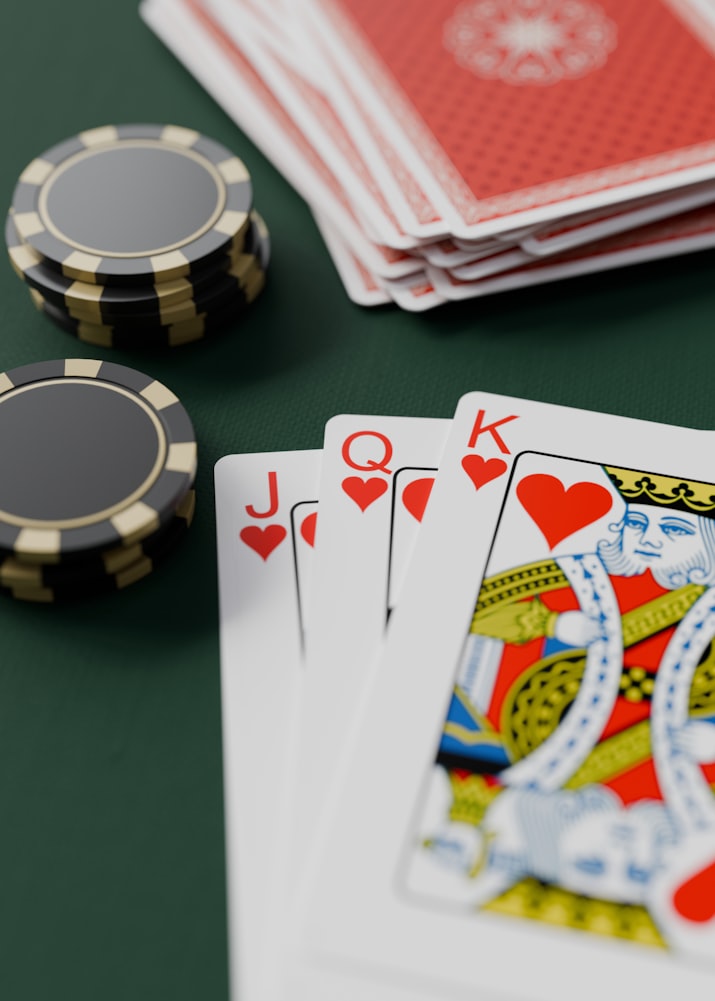
Another cognitive bias is the gambler’s fallacy, which refers to the mistaken belief that past events can influence future events in random games. For instance, if a player has witnessed several losses in a row, they may believe that a win is due. This can result in players betting more money in hopes that their luck will change, often leading to greater losses. These biases undermine rational thinking, compelling individuals to continue gambling even in the face of negative results. The belief that luck will eventually swing in their favor can trap players in a cycle of expectation and disappointment.
Additionally, confirmation bias leads players to focus on their winning experiences while disregarding losses. This selective memory reinforces the idea that they are successful gamblers, prompting them to continue playing despite evidence to the contrary. The combination of these biases creates a cycle of risk-taking behavior that can be difficult to escape, making gambling a potent psychological game of chance. Understanding these cognitive biases is essential for both gamblers and those looking to promote responsible gambling practices, as awareness can lead to more informed decision-making.
Understanding gambling through an educational lens
Educating gamblers about the psychological aspects of gambling experiences is crucial for promoting responsible play. Understanding the underlying motivations and cognitive biases can empower individuals to make informed decisions about their gambling activities. By emphasizing the importance of recognizing triggers, players can develop strategies to mitigate impulsive behavior and reduce their risk of developing problematic gambling habits. Educational initiatives can provide insight into the psychological manipulations at play, helping players to resist the allure of the casino environment.
Moreover, awareness of the social dynamics at play can encourage individuals to engage in gambling activities more thoughtfully. For instance, understanding that the communal experience may amplify emotions can help players to set boundaries and manage their time and money effectively. Educational programs that address the psychological elements of gambling could be implemented in conjunction with responsible gambling initiatives in casinos, promoting a healthier relationship with gaming. By fostering a culture of awareness, players can enjoy gambling as entertainment while minimizing the risks associated with excessive play.
Finally, discussing the design and atmosphere of casinos can also serve as an educational tool. By encouraging players to critically evaluate their environment and its effects on their behavior, they can better grasp how various factors influence their gambling experiences. This understanding not only aids in responsible gambling but also fosters a culture of awareness that prioritizes well-being over the thrill of chance. Ultimately, education can serve as a powerful tool for those looking to navigate the complex psychological landscape of gambling.